
The term “cradle to grave” is often used to describe hazardous waste requirements, but it also has significant implications for cannabis waste generators. If you operate as a licensed cannabis manufacturer, extractor, wholesaler, or retailer, you’re responsible for your waste throughout every state of its lifecycle (this requirement is sometimes waived for cannabis cultivators, processors, and nurseries). That’s why it’s essential to understand the cradle-to-grave waste management requirements.
What Does “Cradle to Grave” Mean?
When a waste stream is regulated from cradle to grave, it means that the waste generator is responsible for the waste when creating it, storing it, removing it, and disposing of it. The generator must abide by specific laws throughout each of these stages in the chain of custody, and the waste generation and removal must be tracked and recorded for regulators.
In the context of waste management, the term “cradle to grave” was originally intended for hazardous waste. The goal is to promote responsible waste generation and management when dealing with potentially hazardous waste streams.
If not properly tracked and removed, hazardous waste can make its way into waterways, ground soil, and even the air, creating potentially dangerous conditions. By tracking and mandating the waste from its initial generation to its final treatment and/or disposal, regulators seek to minimize the risk of the waste contaminating the local environment or getting into the wrong hands.
So how does this relate to cannabis? You might think that unused cannabis is unlikely to contaminate the local environment in any significant way (this is generally true with some notable exceptions, such as vape pens). However, regulators still have a vested interest in keeping a close watch on what happens to cannabis waste.
If waste isn’t properly accounted for, state regulators have no way of knowing what happens to unsold cannabis, creating the potential for widespread black-market sales. In addition, if waste is discarded carelessly, it may be collected and consumed by children, animals, or other unauthorized users. The cradle-to-grave requirement ensures that cannabis businesses are doing their due diligence to manage their inventory responsibly and prevent their waste from getting into the wrong hands.
What Are the Cradle-to-Grave Requirements for Cannabis Businesses?
The specific cannabis waste management protocols will vary from one state or jurisdiction to the next, but in general, they look something like this:
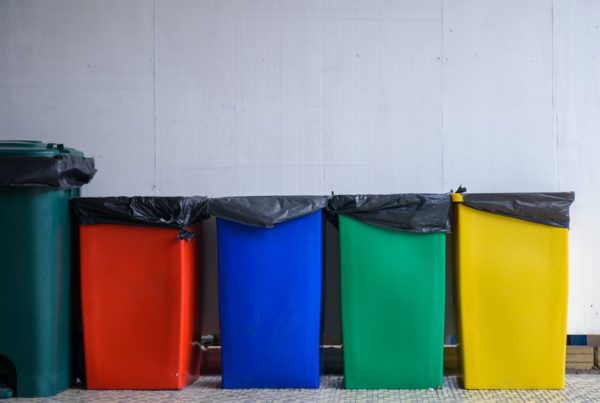
The discarded cannabis must be stored and secured in its own containers
All containers should be labeled, locked, and only accessible to authorized personnel. Some regulating agencies will recommend or require video surveillance of cannabis waste areas. Note that cannabis plant waste must never be combined with other types of waste, especially hazardous or universal waste streams which have their own cradle-to-grave requirements.
The cannabis must be rendered unusable and unrecognizable
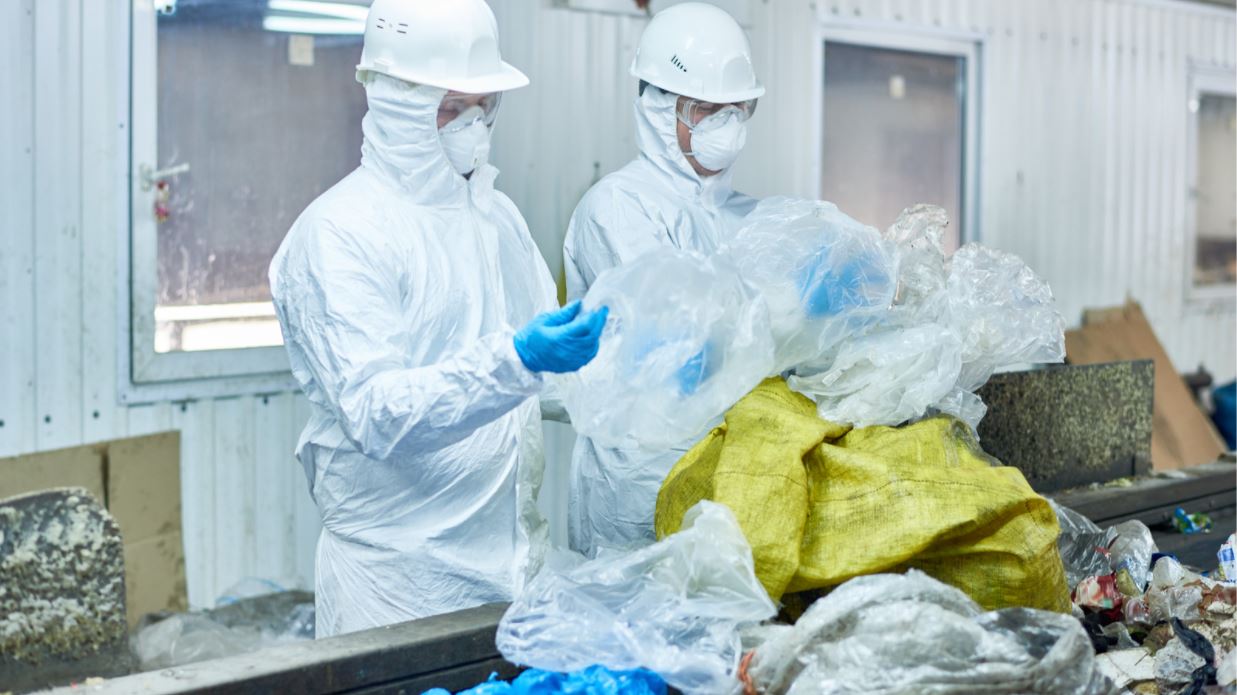
Cannabis waste is defined as any non-hazardous solid waste that contains cannabis and has been rendered unrecognizable. Up until the point at which the cannabis is rendered (such as by packaging, grinding down, and mixing with equal amounts other solid and liquid waste), it’s not actually considered waste at all; it’s still just unused cannabis. Rendering is essential for ensuring that the cannabis waste cannot be removed and consumed by a third party. For more information, refer to our guide, What Does Unusable and Unrecognizable Mean?
The cannabis waste must be weighed on site
The initial weighing should be completed by a neutral third party, such as a licensed cannabis waste management provider—thus minimizing the likelihood of a dispute or audit from regulators. The waste management professionals can provide you with a Certificate of Destruction (COD) that documents the rendering and weight of the waste.
The cannabis waste must be transported to an appropriate waste facility
All cannabis waste must be discarded at a landfill or recycling center that accepts cannabis. Once the cannabis arrives at its destination, it must be weighed a second time for the official record. The second weight must closely match the first weight.
Cradle to Grave Requirements – Cannabis Waste vs Hazardous Waste
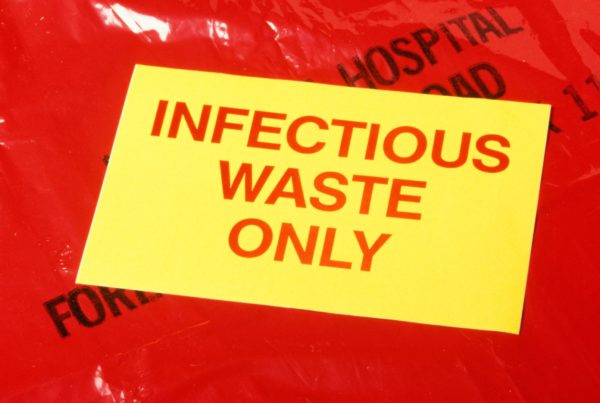
 Cannabis businesses should also familiarize themselves with appropriate cradle-to-grave management of hazardous waste, as most cannabis operations manage some degree of hazardous or universal waste. For instance, cannabis businesses commonly discard fluorescent bulbs, unused solvents, solvent-contaminated products, and battery-operated vape cartridges, just to name a few examples.
The Environmental Protection Agency (EPA) and the Department of Toxic Substances Control (DTSC) are authorized to manage hazardous waste from cradle to grave under the terms of the Resource Conservation and Recovery Act (RCRA). As with cannabis waste, this regulation extends to the creation, transport, storage, treatment, and disposal of hazardous materials.
Most commercial hazardous waste generators will need to obtain an EPA ID number, assuming they generate the appropriate amount of waste. The requirement applies to any small quantity hazardous waste generator (SQG) or large quantity hazardous waste generator (LQG) that produces a minimum of 100 kg (220 lbs.) of hazardous waste per month.
For EPA ID holders, all hazardous waste must be stored in secured, labeled drums that are separated by waste classification (e.g. ignitable wastes should never be combined with reactive wastes). The EPA tracks the waste produced, whether or not it was properly transported per DOT regulations, and whether or not it was properly discarded.
The waste must be removed from the premises on a hazardous waste manifest and transported to a licensed hazardous waste facility. These facilities are regulated by the EPA and are required to abide by strict permitting requirements. They’re also required to report any suspected hazardous waste violations.
The fundamentals of the cannabis waste management process are similar to those of hazardous waste management. Proper labeling, securing, tracking, and removal are paramount. Cannabis waste has one noteworthy additional step—the rendering process. But while hazardous waste may not be rendered “unusable and unrecognizable” like cannabis, it often still must be treated by chemical, biological, or thermal means. Often, this occurs after the waste reaches its final destination.
How Is Cannabis Waste Tracked From Cradle to Grave?
Different regulatory agencies have different ways of tracking companies’ waste handling and disposal. In California, for instance, the Bureau of Cannabis Control (BCC) and Manufactured Cannabis Safety Branch (MCSB) set the protocols for managing the chain of custody. These and other regulatory bodies keep close track of businesses’ waste management practices and are quick to investigate any suspected compliance breaches.
Cradle-to-grave tracking involves the use of chain-of-custody documentation. For instance, a bill of lading and other waste management documentation may be used to confirm the proper protocols as waste is destroyed, weighed, and transported. This documentation must be reported to the appropriate agency and recorded in the state’s cannabis track-and-trace system (like the Metrc system used in California and other states).
As this information is documented on a regular basis, regulators are looking for two types of red flags: omitted information and inconsistent information. If the waste isn’t weighed both on site and at the landfill, if there’s no documentation of rendering, or if the business simply hasn’t recorded any waste in months, this may give the impression of omitted information. If the recorded weight is significantly different at each of the two weigh-ins (regulators are expecting consistency within a 5% weight range) or if the weight of the recorded waste is inconsistent with expected waste volumes based on storage and sales records, this may also get the attention of regulators.
Are You Still Responsible for Cannabis Waste After Disposing of It?
The term “cradle to grave” doesn’t mean that your responsibility ends at the grave. It means that you, as the waste generator, are responsible for your cannabis waste stream even at the gravesite.
For example, if an investigation uncovers that your waste was improperly disposed of, the responsibility falls back on you. Or if the waste needs to be moved to a different landfill 5 years down the line, you may be responsible for transporting it. In other words, the waste is yours indefinitely.
There is one way to relinquish your responsibility: opt for recycling. If you choose recycling over landfill disposal, it ends the chain of custody. You are no longer responsible for the waste. This is known as waste diversion.
Recycling options for cannabis include composting, fuels blending, and waste-to-energy. A growing number of recycling facilities throughout the country are offering these services specifically to canna-businesses. The downside is that it costs more than traditional landfill disposal, but you may be able to recoup some of the added costs in the form of IRS depreciation credits, rebates, and tax exemptions. In addition, recycling reduces your carbon footprint and removes you from the chain of custody, so the pros generally outweigh the cons.
Tips for Cradle-to-Grave Cannabis Compliance
If the whole process of managing your cannabis from cradle to grave seems intimidating, just remember the essentials.
- Research the specific requirements set by your licensing agency. While the fundamentals are pretty consistent nationwide, there are some nuances that vary between jurisdictions and agencies.
- Employ the services of a licensed cannabis waste disposal provider that understands how to keep you in compliance. They should provide you with the appropriate drums, train your team, offer certificates of destruction, render and weigh your cannabis, and remove the cannabis on your behalf. The rendering process should be video-documented.
- Keep your cannabis products in their own bins, and keep those bins secure. Your cannabis waste includes any non-hazardous products that contain or have been in contact with cannabis, including unused plant material, edibles, extracts, and packaging. Keep your hazardous waste materials separate.
- Don’t try to render the waste yourself. The definition of “unusable and unrecognizable” is often vague and subject to the regulator’s interpretation on a case-by-case basis. To be on the safe side, always leave the rendering to professionals.
- Choose recycling over landfill disposal to end the chain of custody. It may cost more, but it will significantly reduce your liability in the long run.
The term “cradle to grave” may sound like a massive responsibility, but as long as you understand the basic expectations and have a knowledgeable waste management team on your side, you can rest easy.